Why Photographers Carry Two Camera Kits Instead of One
A photographer wearing a yellow shirt and a broad-brimmed hat stands outdoors with two Nikon DSLR cameras hanging from his shoulders. One carries a shorter zoom, ready for nearby subjects. The other has a long telephoto lens, ready for whatever happens farther away. Add gloves, a waist bag and several straps, and the whole arrangement looks heavy. It also looks purposeful. Anyone who has missed a picture while changing lenses will understand why.
An interchangeable-lens camera can handle all kinds of scenes, at least in theory. In practice, changing a lens takes time, needs two free hands and leaves the camera exposed to dust or rain. At a festival, a wedding or a sporting event, the moment may be gone before the new lens is mounted. Two ready-to-shoot kits solve that problem with a simple move: lower one camera and raise the other.
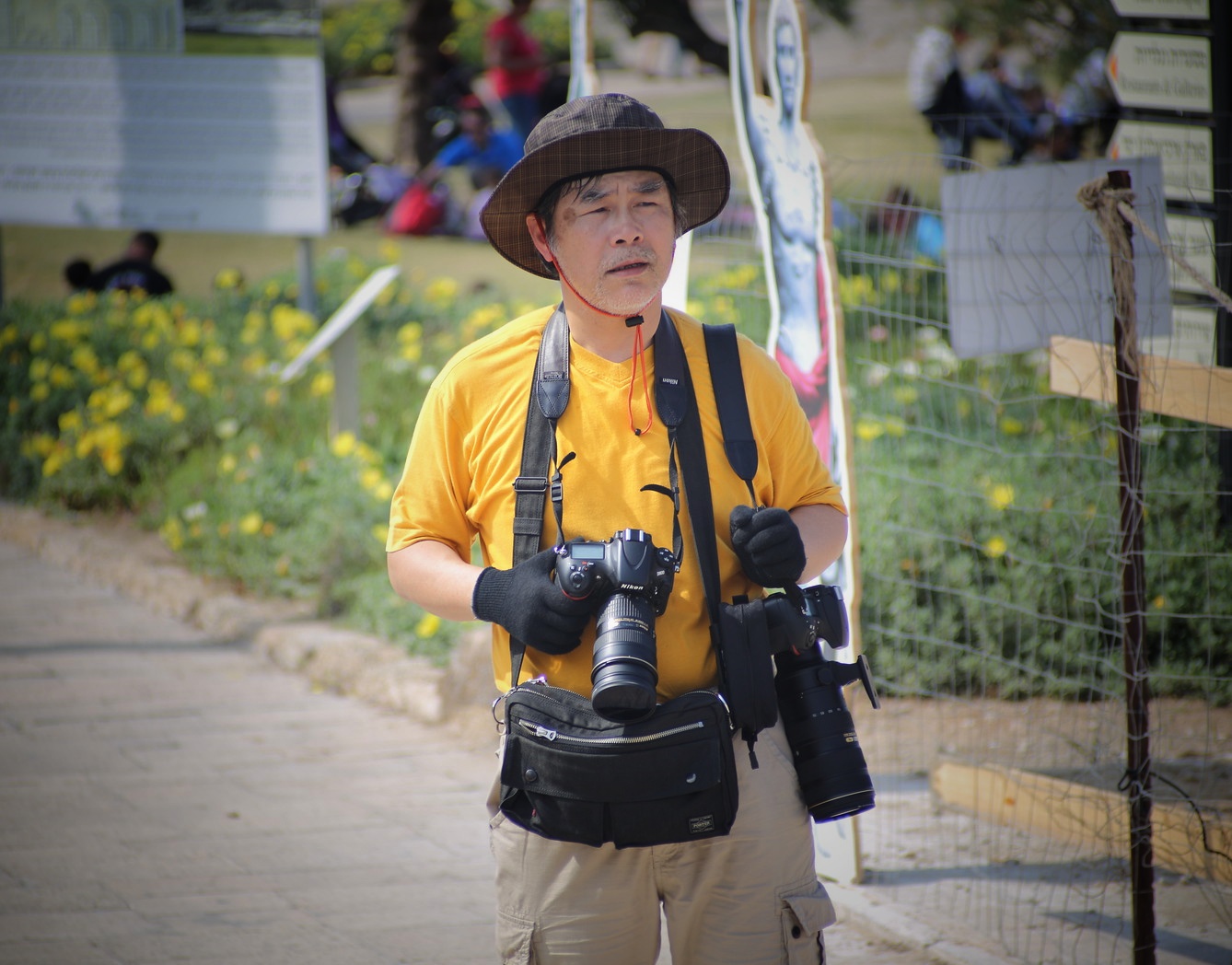
Photo: Media Gallery
Two Different Views, Both Ready
The classic professional pairing is a 24-70mm zoom on one body and a 70-200mm on the other. The first handles people and their surroundings; the second reaches across a crowd, isolates faces and captures distant action. Wildlife and outdoor photographers may prefer a 24-105mm alongside a 100-400mm. The exact focal lengths matter less than giving each camera a different job.
This changes how a photographer works. Instead of asking which lens to fit, you ask which view tells the story. At a street performance, the wider camera catches the stage and audience together. A second later, the telephoto catches a musician’s expression. There is no rummaging through a bag, and fewer missed frames.
Two bodies also offer insurance. Cameras can fail, batteries can die and card slots can develop faults. Someone photographing a paid event cannot ask everyone to come back tomorrow. A working second body is a practical backup even when it is normally used with another lens. Shared batteries and compatible lenses make the arrangement easier to manage.
The Weight Is Real
Look at the photograph again. The longer lens hangs low beside the photographer’s leg, and the straps cross his chest. This is a lot of equipment to carry for hours. Cameras can bump against each other, straps can tangle, and the weight becomes noticeable long before the day ends. A good dual harness or carefully adjusted shoulder straps help, but neither makes the equipment weightless.
Mirrorless bodies have made lighter two-camera setups possible, although large fast lenses still weigh plenty. There is no need to buy two flagship bodies, either. A compact APS-C camera can complement a full-frame camera very well. For example, a Canon EOS R8 with a standard zoom could be paired with a Canon EOS R100 and a telephoto. Both use the RF mount, and the smaller camera offers a narrower field of view with the same focal length. The R100 is less capable for demanding action, of course, so the jobs should match the bodies.
There are quieter combinations too: a wide prime on one camera and a short portrait lens on the other, or a large wildlife setup accompanied by a small fixed-lens camera for landscapes and people. Two kits should complement each other, not duplicate the same focal lengths for no reason.
When One Camera Makes More Sense
Landscape photographers working from a tripod can usually change lenses without losing anything. The same goes for many architectural, product and studio assignments. Travelers may prefer one body and a versatile zoom rather than spend the day managing straps and extra batteries. A high-resolution camera also leaves some room for cropping, although cropping cannot always replace a longer lens.
There is something satisfying about going out with one camera and one lens. You move more freely, attract less attention and learn to work within the limits of what you brought. Carrying more equipment is not automatically a sign of better photography.
The photographer in the yellow shirt has made a different choice. He is prepared to carry the weight because the next interesting subject might appear close by or far across the field. Two cameras will not improve his eye or his timing. They simply give him a better chance to act on both. And after missing a few good photographs during lens changes, that can feel like a very reasonable trade.
As an Amazon Associate I earn from qualifying purchases.