Renting vs Buying Camera Gear: When a Weekend Rental Beats Owning the Lens
Camera gear is expensive, and much of it gets used a few times a year. A 600mm lens for a safari, a cinema camera for one commercial job, a tilt-shift for an architecture shoot. Buying them all makes little sense. Renting often makes a lot.
Big camera stores now keep lighting and video counters stocked with gear you can rent by the day, and rental houses ship kits nationwide. Knowing when to rent and when to buy saves serious money.
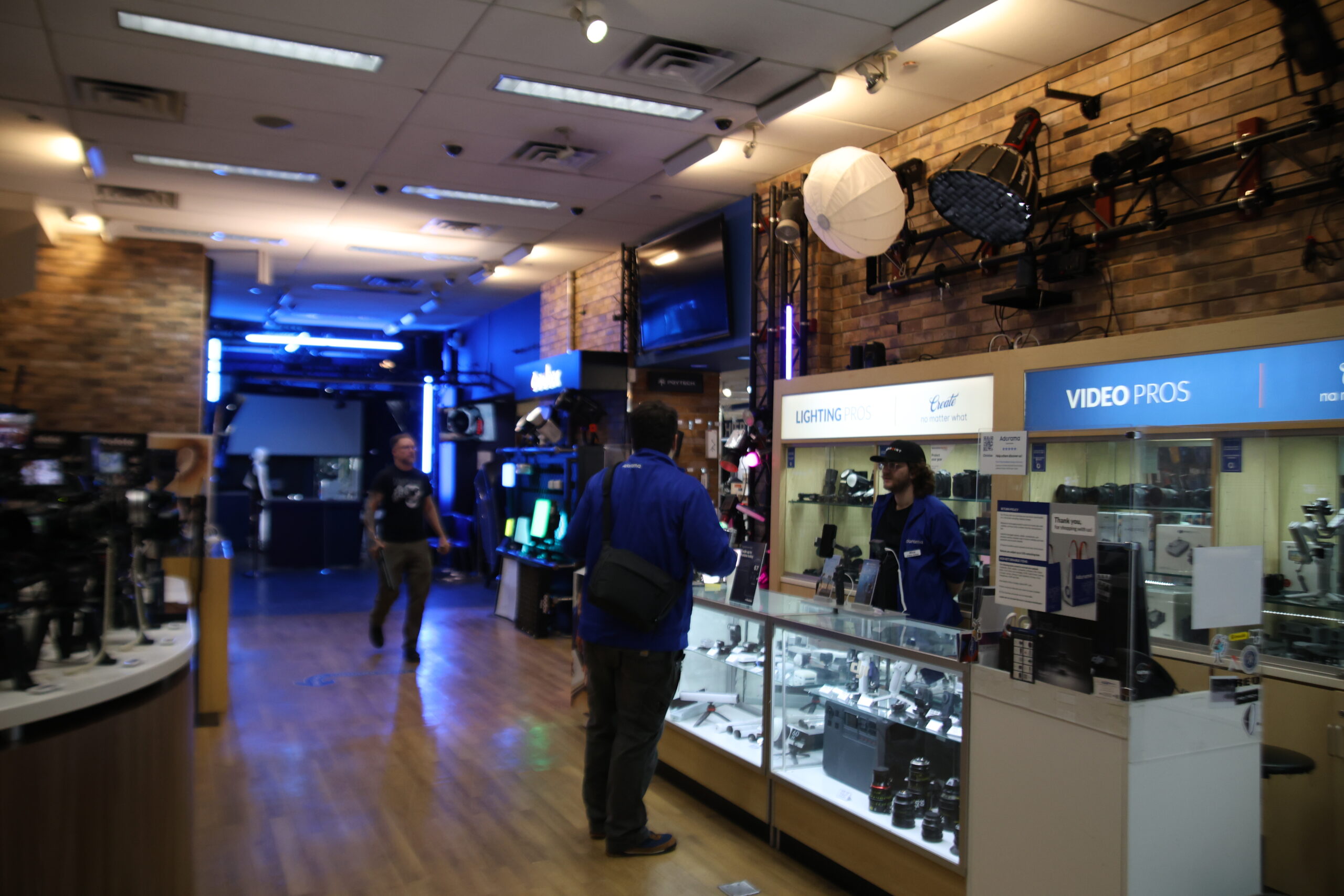
Photo: Media Gallery
Rent when you’ll use it rarely
The simple test: if you’ll use a piece of gear fewer than about ten days a year, rent it. A specialist lens that costs a few thousand to buy usually rents for a small fraction of that per weekend. You’d need many rentals before owning pays off, and by then a newer version might be out.
Typical rentals that make sense:
Long telephotos for a safari, a bird trip or a single sports event.
Cinema cameras and cine lenses for a specific production.
Specialist optics, like tilt-shift, macro or very fast primes, for one job.
Extra bodies and lighting for a big event where your normal kit isn’t enough.
Rent to test before you buy
Renting is also the best way to try a camera or lens for real before committing. A weekend of shooting your own subjects tells you more than any store visit or review. If you’re torn between two systems, rent both. Some rental houses put part of the fee toward a purchase.
If you can’t get to a store, this is the closest thing to holding a camera before buying it.
Buy what you use every week
Your main body and your one or two most-used lenses should be yours. Renting them every week costs more than owning them within a year or so, and you’ll know them better.
Good buys tend to hold value. A well-kept lens loses little over a few years, and selling it later recovers much of the cost. See our used gear guide for buying and selling secondhand.
How renting works
Rental houses such as Lensrentals and BorrowLenses ship nationwide in the US, and many big camera stores rent from their own counters. You’ll pay a rental fee plus optional damage coverage. Take the coverage unless your own insurance covers rented gear. Check the gear when it arrives, and shoot a few test frames before the job, not on it.
Book early for busy seasons. Wedding months, holidays and eclipse dates empty the shelves of popular lenses.
The working pro’s mix
Most working photographers own a core kit and rent the rest. That keeps their money in the gear that earns it, and lets them say yes to jobs that need something special.