Best Budget Full-Frame Camera and Lens Combos: Canon R8, Nikon Z5II, Sony A7C II and Lumix S5II Kits
Full frame used to start at the price of a used car. Now every major brand sells a modern full-frame body for around $1,500 to $2,000, with current autofocus, good stabilization or good lenses to make up for it, and sensors that are a clear step up from APS-C in low light.
The body is only half the decision. The cheap kit lens that comes with it decides what the camera can do, and on most of these systems the smartest buy is the body plus one better lens. Here’s the pairing that makes sense on each system.
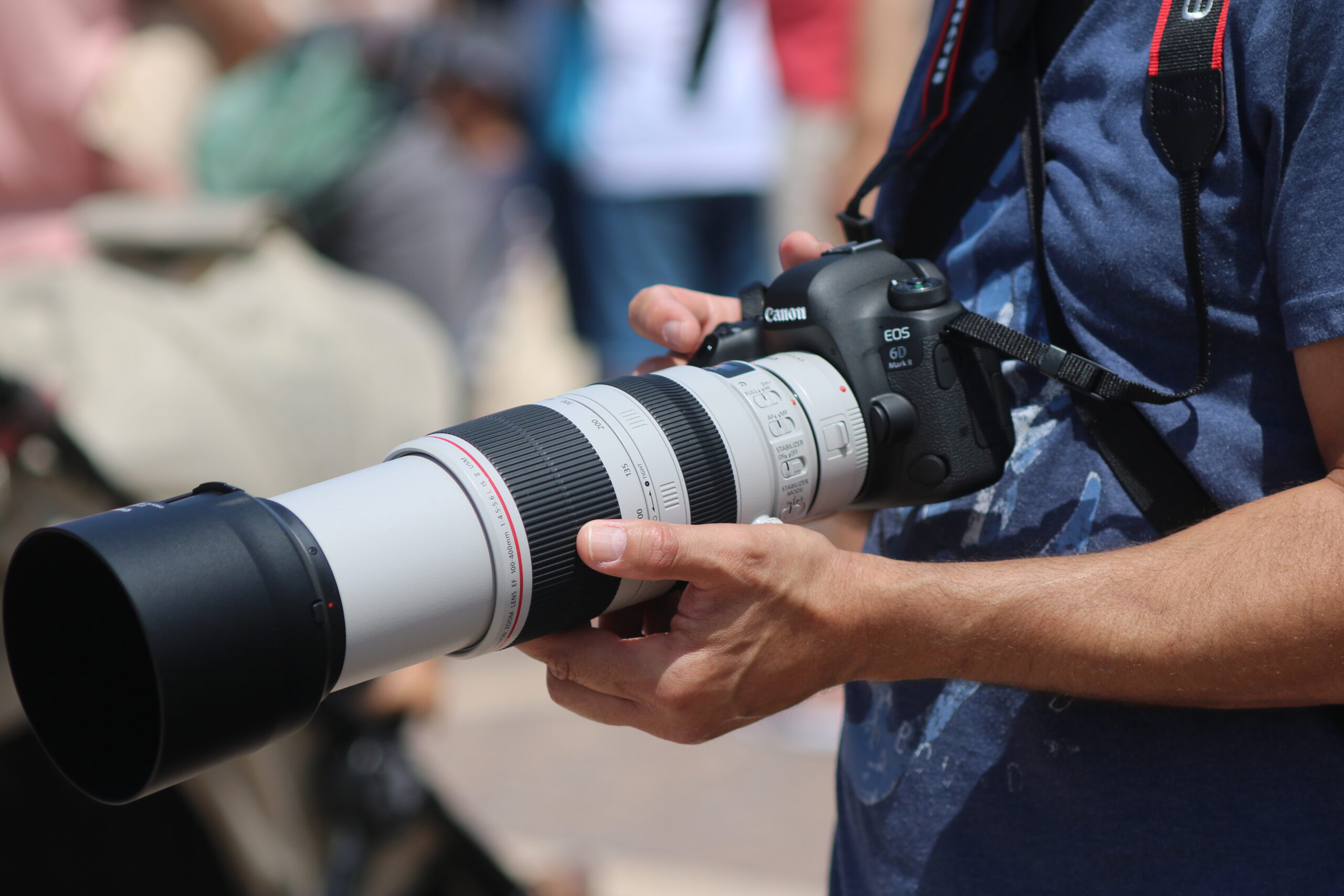
Canon EOS R8 with the RF 28-70mm F2.8 IS STM
The Canon EOS R8 launched at $1,499 for the body with the sensor and autofocus of the R6 Mark II. It’s the lightest body here at 461 grams. It has no in-body stabilization, and that shapes the lens choice.
The kit lens, the RF 24-50mm F4.5-6.3, is tiny and slow. Skip it. The RF 28-70mm F2.8 IS STM costs $1,099 and gives you f/2.8 with optical stabilization in a 495-gram lens. Together they make a full-frame f/2.8 kit for around $2,600 at launch prices, and less now that the R8 has dropped in price.
Nikon Z5II with the Z 24-120mm f/4 S
The Nikon Z5II arrived in April 2025 at $1,699 for the body. It got Nikon’s flagship autofocus and a back-side illuminated sensor, which made it the budget full-frame camera to beat.
Pair it with the Z 24-120mm f/4 S, about $1,100. It’s Nikon’s best-selling lens for good reason: sharp, sealed and long enough at 120mm for portraits. If you want f/2.8 instead, the Tamron 28-75mm G2 is sold in Z-mount.
Sony A7C II with the Tamron 28-75mm G2 or FE 20-70mm F4
The Sony A7C II launched at $2,199, putting it at the top of this price band. In return you get the A7 IV’s 33MP sensor in a 514-gram body and the widest lens choice of any system.
The Tamron 28-75mm G2, launched at $899, is the classic budget pairing: f/2.8 and 540 grams. The Sony FE 20-70mm F4 G is the better choice for travel and vlogging, thanks to its 20mm wide end.
The bigger Sony A7 IV is also worth a look now that the A7 V has replaced it. Its price has only come down, and it has a bigger grip and two card slots.
Lumix S5II with the 20-60mm and 50mm F1.8
The Lumix S5II launched at about $2,000 and is often sold as a kit with the Lumix S 20-60mm zoom and the Lumix S 50mm f/1.8. That bundle is one of the best deals in photography: a body with excellent stabilization and video, a wide-starting zoom and a fast prime.
For stills shooters who care less about video, the S5II’s autofocus still trails Nikon and Sony for fast action. For video, nothing in this group beats it.
Which one to buy
Weddings, events, low light: R8 with the RF 28-70mm F2.8.
Travel and all-round stills: Z5II with the 24-120mm f/4.
Hybrid shooting with the most lens options: A7C II with the Tamron 28-75mm.
Video first: S5II kit with both lenses.
Spend the difference on glass, not on the body. You’ll replace the camera long before you replace a good lens.