How to Choose a Tripod: Carbon or Aluminum Legs, Ball or Fluid Heads, and the Load Rating Trap
A tripod is the least exciting thing in a camera bag and one of the most important. Long exposures, sharp landscapes, video interviews, astrophotography and group shots with you in them all depend on it. And a bad tripod is worse than none: it wobbles, creeps and falls over at the worst moment.
Walk past the tripod wall in any big electronics store and the choice looks endless. It narrows quickly once you know what matters.
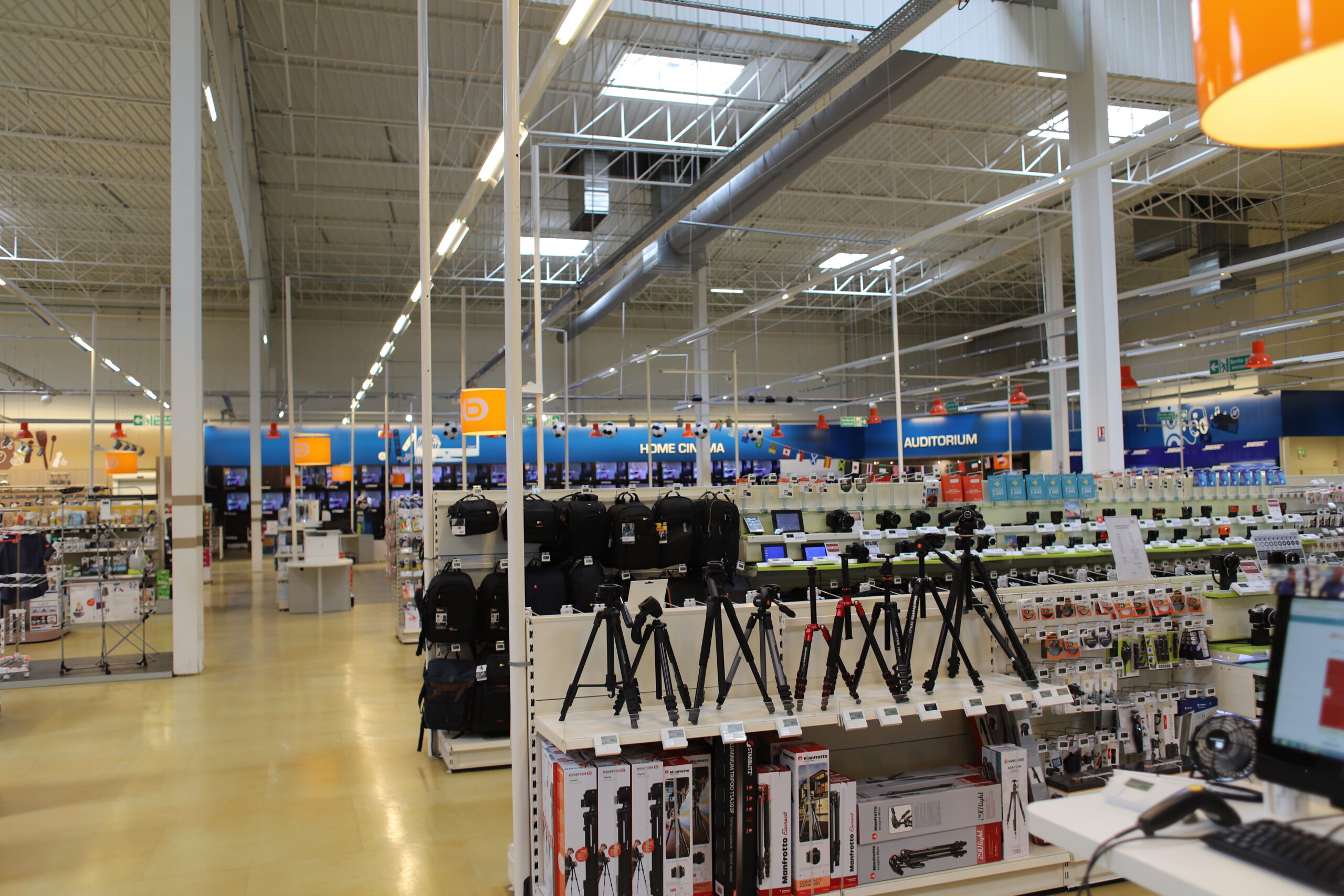
Photo: Media Gallery
Legs: carbon or aluminum
Aluminum is cheaper and tough. It’s heavier for the same stiffness, and it gets painfully cold in winter.
Carbon fiber is lighter, damps vibration better and doesn’t freeze your hands. It costs more. If you’ll carry the tripod more than a few hundred meters from the car, carbon is worth it.
Look at the leg sections too. Fewer sections (three per leg) mean a stiffer tripod that’s faster to set up. More sections (four or five) fold smaller for travel, at the cost of stiffness at full height.
Twist locks are compact and quick once you learn them. Flip locks are easier with gloves and easy to check at a glance. Both work.
Height without the center column
Raising the center column turns a stable three-legged base into a thin pole. Check the height the tripod reaches with the column down. It should bring the camera close to your eye level without stooping. If you’re tall, that rules out many travel tripods.
Heads: ball, pan-tilt or fluid
Ball heads are fast and compact, and they’re the default for photography. Get one with a separate panning lock and a friction control, so a heavy lens doesn’t flop over when you loosen it.
Fluid heads are for video. They pan and tilt smoothly with adjustable drag, which a ball head can’t do. If you shoot any video at all, a small fluid head is worth having, and some hybrid heads try to do both.
Gimbal heads suit big telephoto lenses for wildlife. They balance the lens so it moves freely and stays where you leave it.
Whatever you choose, use an Arca-Swiss-style quick-release plate. It’s the industry standard, and almost every plate and L-bracket fits it.
The load rating trap
Manufacturers list a maximum load. Treat it with suspicion. The number usually means the tripod won’t collapse, not that it will hold the camera rock-steady. A good rule is to choose a tripod rated for at least twice what your heaviest camera and lens weigh together.
A full-frame body with a 70-200mm f/2.8 is around 2 kilograms. A body with a 600mm zoom can pass 3 kilograms. Pick legs and a head for that.
Monopods: the middle ground
A monopod gives you most of the steadiness of a tripod for sports and wildlife, where you need to move and follow action, and it’s allowed in places that ban tripods. It won’t do long exposures.
Spend once on good legs. A solid tripod lasts twenty years and several cameras. A flimsy one gets left at home, which is where it can’t help you.