LED Lighting for Video: COB Lights, Softboxes and Why the CRI Number Matters More Than Watts
Video changed lighting. A flash fires for a fraction of a second; a video light has to stay on for the whole take. That’s pushed photographers and creators toward continuous LED lights, and the corner of any big camera store now looks like a small film studio, with softboxes hanging from the ceiling and cinema cameras on the counter.
Buying LED lights is confusing because the headline numbers mislead. Wattage is not brightness, and brightness is not quality.
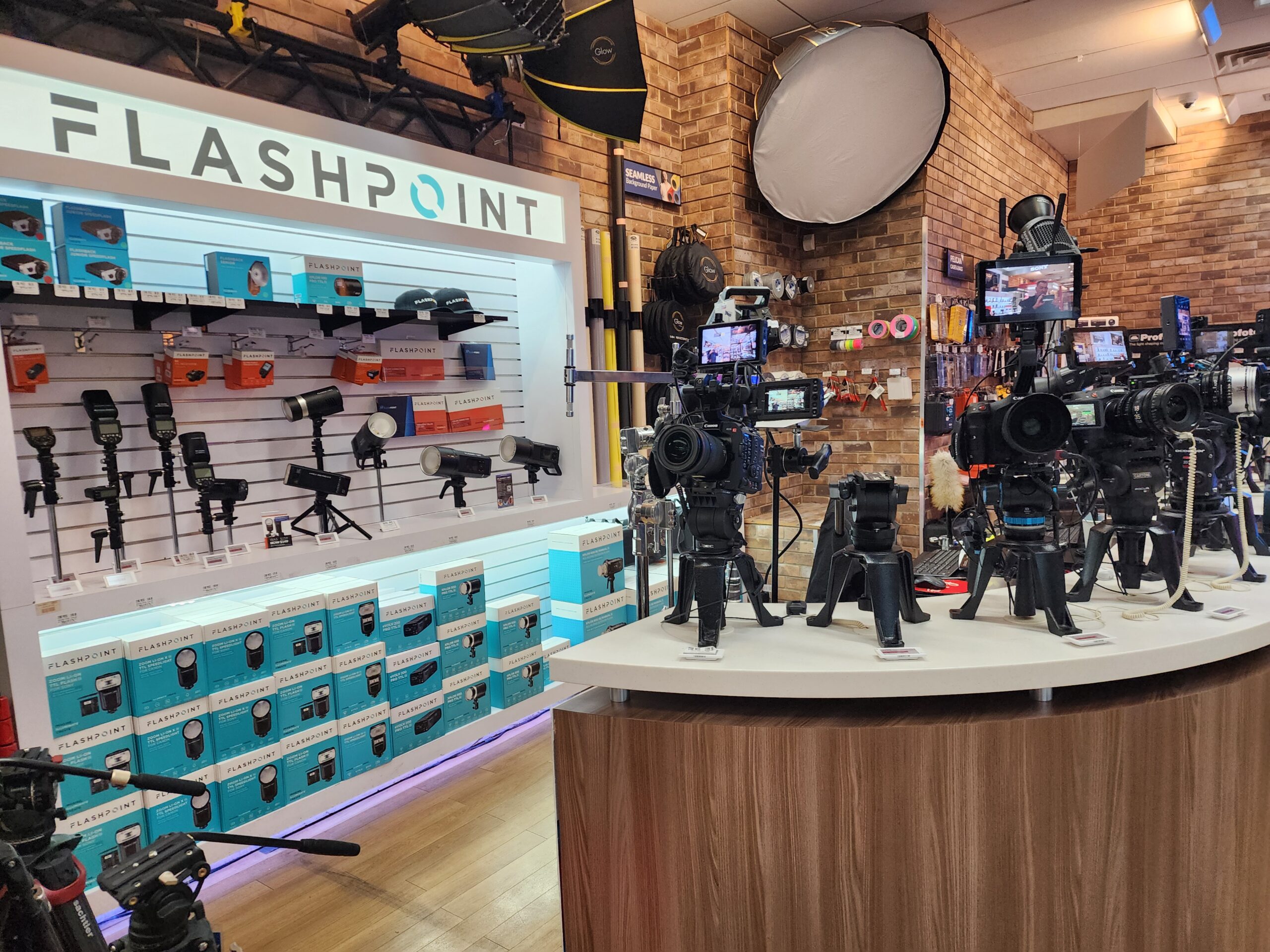
Photo: Media Gallery
COB lights, panels and tubes
COB lights (chip on board) pack many LEDs into one bright point, usually with a fan and a Bowens-style mount for modifiers. They’re the workhorse for interviews and product video, because they take softboxes, lantern domes and reflectors just like a studio flash.
LED panels are flat and spread light more evenly without a modifier. They’re good for small spaces and on-camera use, but harder to shape.
Tube lights are battery-powered sticks, often with full color control. They’re used as background accents, hair lights and practical-looking light in frame.
The numbers that matter
CRI and TLCI measure how faithfully a light renders color, especially skin. Look for CRI 95 or higher. Cheap lights with poor color make skin look green or grey, and no amount of grading quite fixes it.
Output, measured in lux at a given distance, tells you real brightness. Wattage only tells you how much power the light draws, and efficiency varies.
Bicolor or full color. Bicolor lights adjust between warm and daylight white, which covers most needs. Full RGB lights add any color for effects and backgrounds.
Noise. Many COB lights have fans. Check the quiet mode, because a whirring fan near the microphone ruins interview audio.
Modifiers make the light
A bare COB light is harsh, like direct flash. The softboxes and lantern domes in the photo turn it into big, soft light.
For an interview, a large softbox with a grid, placed to one side and slightly above the face, gives a flattering key light. A lantern softbox spreads light all around and is great for wide shots and overhead fill. A simple bounce off a white wall is free and often looks lovely.
A first kit
One COB light with a softbox for the key, one small panel or tube for fill or background, and two sturdy stands with sandbags. That’s enough for interviews, YouTube and product clips.
Pair it with a camera that handles video well, such as the Sony FX30 or Panasonic Lumix S5II, and put the money you save on watts into color quality.