Cine Lenses vs Photo Lenses for Video: T-Stops, Geared Rings and Focus Breathing Explained
Look at the cameras on a store’s cinema counter and the lenses look different from photo lenses. They’re bigger, with chunky geared rings, painted distance marks and no autofocus. Some cost far more than the photo lens with the same focal length and aperture.
Optically, many cine lenses share their glass with photo lenses. What you pay for is how they behave while the camera is rolling.
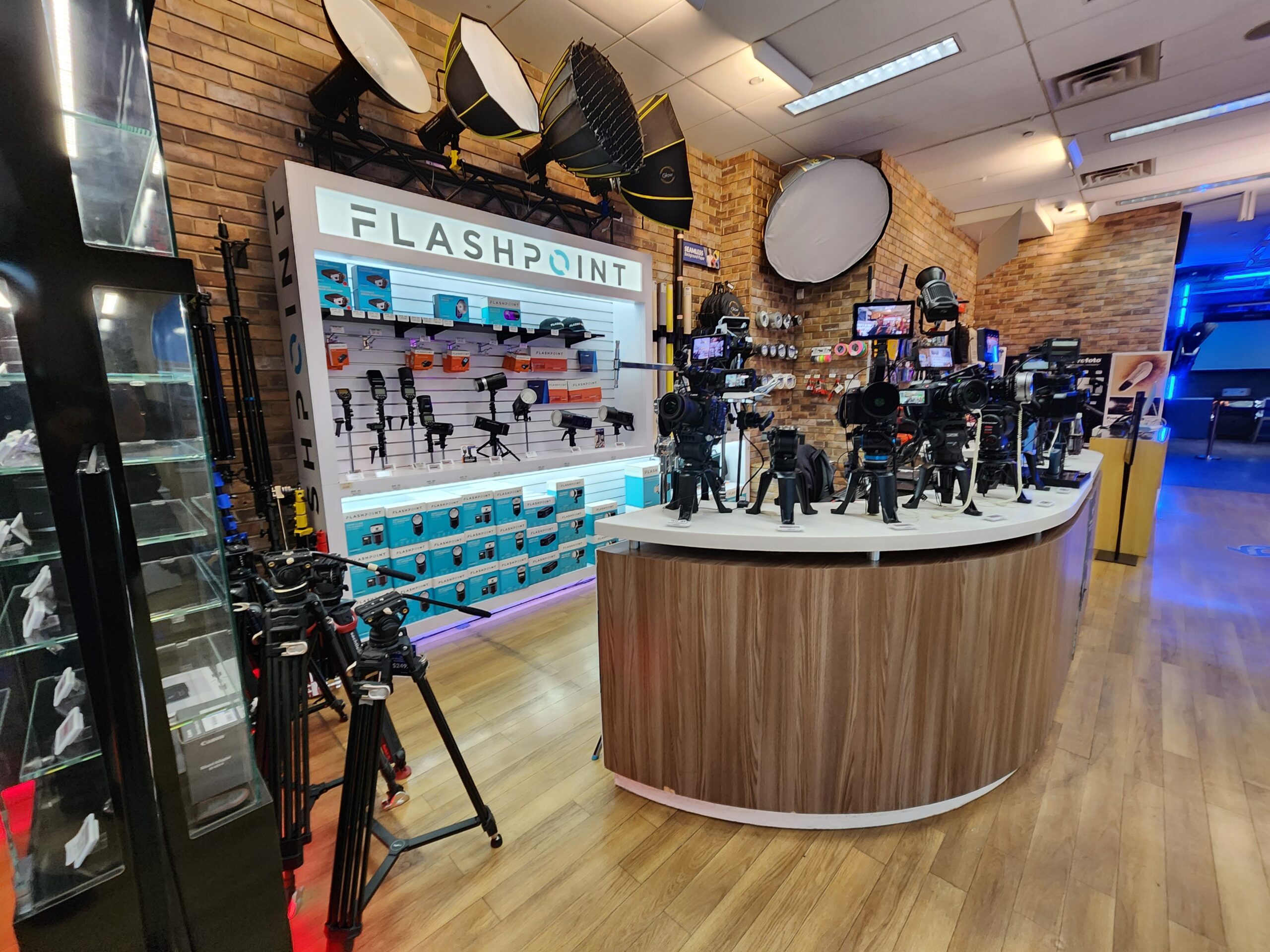
Photo: Media Gallery
T-stops instead of f-stops
Photo lenses are marked in f-stops, a calculated number. Cine lenses are marked in T-stops, which measure how much light actually reaches the sensor. Two lenses at T2 give the same exposure. Two lenses at f/2 might not, by a fraction of a stop.
That matters when you cut between lenses in one scene. If the exposure jumps between the wide shot and the close-up, it shows.
Geared rings and long focus throw
Cine lenses have focus, iris and sometimes zoom rings with gear teeth, all in the same position across a lens set. A follow focus or wireless motor locks onto them, and swapping lenses doesn’t mean moving the accessories.
The focus ring turns a long way, often 270 degrees or more from close focus to infinity. That gives a focus puller fine control. Photo lenses usually focus by wire with a short throw, made for fast autofocus, not for hitting a mark by hand.
The aperture ring is stepless, so you can change exposure smoothly during a shot.
Breathing and parfocal zooms
Focus breathing is when the image appears to zoom slightly as focus shifts. It’s distracting in video and invisible in stills. Cine lenses are designed to keep it to a minimum. Newer photo lenses, especially recent G Master and L-series designs, have reduced it a lot, and several cameras now offer digital breathing compensation.
Cine zooms are usually parfocal: focus holds while you zoom. Most photo zooms shift focus slightly.
When a photo lens is the better choice
For solo shooters, run-and-gun events, weddings and YouTube, photo lenses usually win. Autofocus on modern cameras is so good that most people don’t want manual focus pulls. Photo lenses are smaller, lighter and cheaper, and they work on gimbals.
A stabilized zoom like the Tamron 17-70mm F2.8 or a fast prime like the Sony FE 50mm F1.4 GM will serve most video shooters well.
When cine lenses earn their price
Narrative films, commercials and anything with a focus puller and planned shots. Multi-camera shoots where lenses must match. Long-term crews who want lenses that move between camera systems by swapping mounts.
There’s a middle path too: affordable cine primes from brands like Samyang, Sirui and DZOFilm, often under $1,000 per lens, give you geared rings and T-stops without the high-end price. They’re a good way to learn manual focus before spending more.
Rent a cine set for a weekend before you buy one. Our cinema rig guide covers what else you’ll need to use it.