Canon EOS C50 Review: 7K Open Gate Raw for Under $4,000
The Canon EOS C50 is the smallest Cinema EOS camera so far, and the first Canon to shoot Open Gate. Canon announced it on September 9, 2025 and shipped it in early November at $3,899, a price that includes the XLR top handle. The body alone weighs about 670 grams.
It takes over from the EOS R5 C as Canon’s compact hybrid cinema body, and it sits below the C70 and C80. The sensor is new: a 32MP full-frame chip with a 3:2 shape, which lets the camera record 7K Open Gate at 6960 x 4640.
Run-and-gun interviews at trade shows and conferences are this camera’s home ground. Tight spaces, a tripod in the aisle, a reporter with a mic and a crowd that won’t move for you.
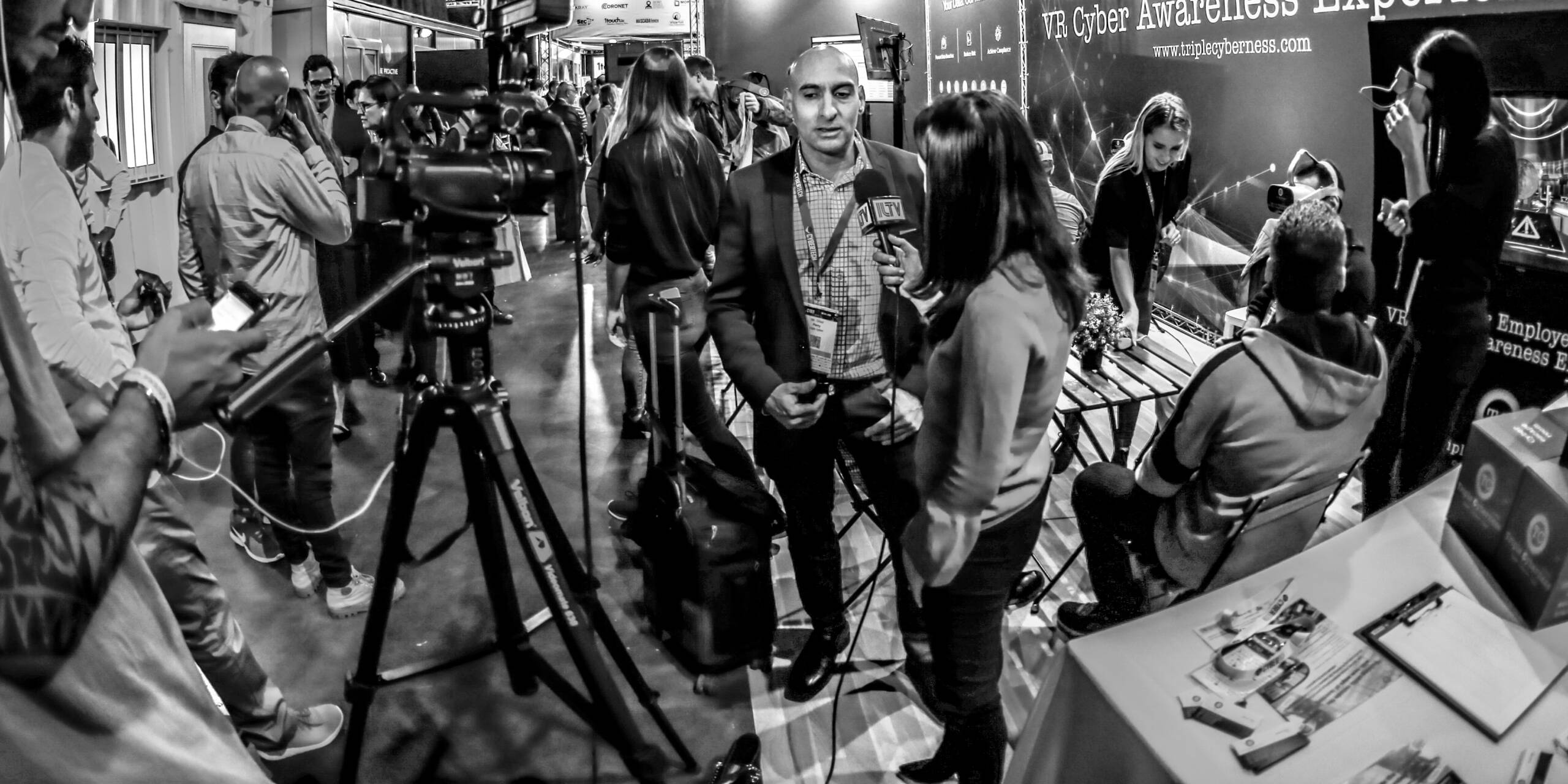
Photo: Pixel Effects
CineD’s review includes a short documentary shot on the camera, with Open Gate and anamorphic tests.
Video review: CineD
Recording and image
The C50 records 12-bit Cinema RAW Light internally, plus XF-AVC, XF-AVC S and XF-HEVC S in 10-bit 4:2:2. Besides 7K Open Gate, there are Super 35 and Super 16 crop modes and an anamorphic de-squeeze for monitoring. 4K runs up to 120p, though that mode isn’t oversampled, looks softer and drops audio. 2K goes to 180p.
Dual base ISO is 800 and 6400, and Canon claims more than 15 stops of dynamic range. Reviewers at Amateur Photographer and PetaPixel liked the color and found C-Log2 easy to grade. Autofocus is Dual Pixel CMOS AF II with eye, head and animal detection, which is as dependable as video AF gets.
It also shoots 32MP stills at up to 40 frames per second, and the menus switch between separate photo and video layouts.
What’s missing
There’s no in-body stabilization. Canon offers a digital IS mode that crops the frame, and every major review flagged the missing IBIS as the main weakness. There’s no internal ND filter and no viewfinder either. The 3-inch vari-angle screen is small and not very bright for outdoor work.
Battery life is the other complaint. The C50 runs on the LP-E6P, and Fstoppers and PetaPixel got around 45 to 60 minutes of recording per battery. Plan on a USB-C power source or a bag of batteries for long days. The body isn’t weather sealed, and the cooling vents make it a little chunkier than Sony’s FX3.
On the plus side, the fan keeps it recording, and no reviewer reported overheating. Media goes to one CFexpress Type B slot and one SD UHS-II slot, and the camera can record horizontal and vertical versions at the same time. Full-size HDMI and a timecode port are on the body. The XLR handle with two inputs got praise from everyone who used it.
Who should buy it
The C50 suits solo filmmakers on Canon RF who want raw, Open Gate and Canon color in a small body, and who’ll put it on a gimbal or a tripod anyway. If you need stabilization for handheld work, the Nikon ZR costs less and has IBIS, and both PetaPixel and Amateur Photographer thought it offered more for the money. Sony’s FX3 is the other obvious rival.
Owners of the Canon EOS R5 C get Open Gate and a better audio handle here, but lose the high-resolution stills. For lenses that suit the C50, the Canon RF 28-70mm F2.8 IS STM and RF 16-28mm F2.8 IS STM are light, stabilized and well matched.